
Accounting Software: Accounting software such as QuickBooks, Xero, and FreshBooks can streamline budget creation and management for very small businesses. Owners of growing businesses often outgrow those solutions without realizing it. Understanding when to migrate to a multi-entity enterprise level solution for growing businesses like Sage Intacct, Netsuite, Dynamics and Acumatica can save thousands of dollars in manual labor. These platforms often include budgeting modules that allow businesses to input financial data, generate reports, and track expenses easily.
Cloud-Based Solutions: Cloud-based accounting solutions offer accessibility and collaboration benefits. Team members can access and update the budget from anywhere, enhancing the inclusivity and flexibility of the budgeting process. This is especially helpful for multi-location businesses and the implementation of remote work, including outsourcing administrative tasks many small businesses when the skill set simply doesn’t exist.
Automation: Many accounting software solutions and task specific software that integrates with them automate repetitive tasks, such as data entry, invoice generation, and financial reporting. This reduces the time and effort required for budgeting. The downside is the time and effort expended with configuring the software to meet a company’s specific needs. Improvements are being made weekly. Integration. Integration with other business tools, like accounts receivable, accounts payable, CRM systems or project management software, can provide real-time data updates, ensuring that your budget reflects the most current information. These features, while available to the smallest businesses, may not be very sophisticated because the accounting software mentioned above do not have the feature set available to enterprise level systems.
Forecasting Tools: Some accounting software offers forecasting features that can help small businesses
make informed predictions based on historical data and market trends. Cash flow forecasting is critical
to the growing business, especially in the current economic environment with inflation and rising interest rates. At this time, the most effective are stand alone tools used by accountants and bank underwriters collaborating with the small business owner. Any business owner can make projections, but sadly, most are not realistic and reliable.
Expense Tracking Apps and Spend Software: Mobile apps can assist with tracking expenses in real-time. Employees can use these apps to capture receipts and submit expense reports, simplifying the tracking of variable costs. Perhaps the two best features are the ability of a business owner to control spending and capturing the documentation to back up the expenditure.
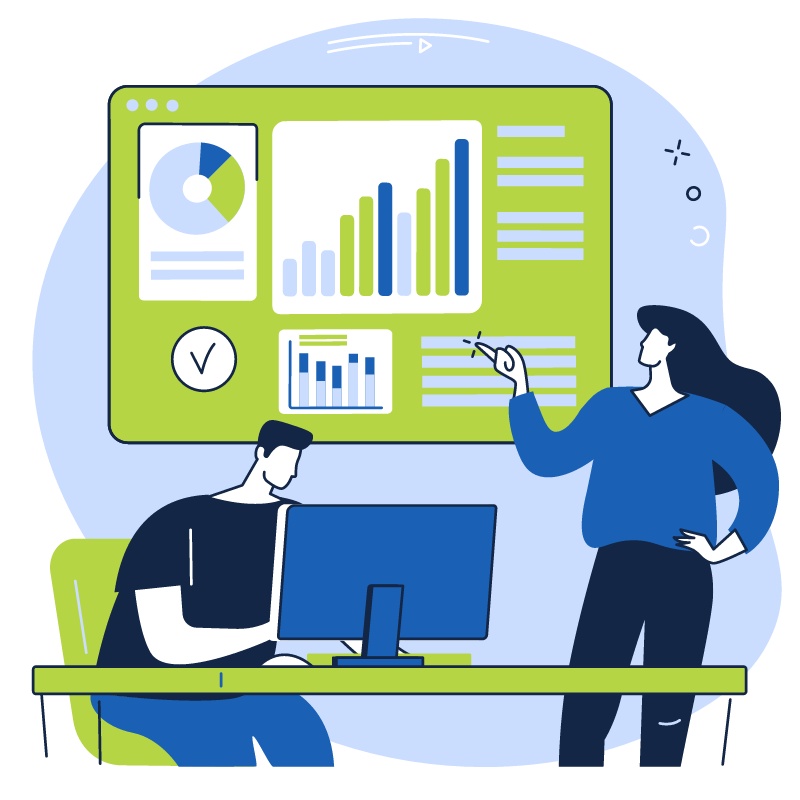
Financial Dashboards: Dashboards provide a visual representation of key financial data. Small businesses can use these dashboards to monitor their budget, identify trends, and make data-driven decisions.
Data Security: Data security is crucial in budgeting, and modern accounting software often includes robust security features to protect sensitive financial information.